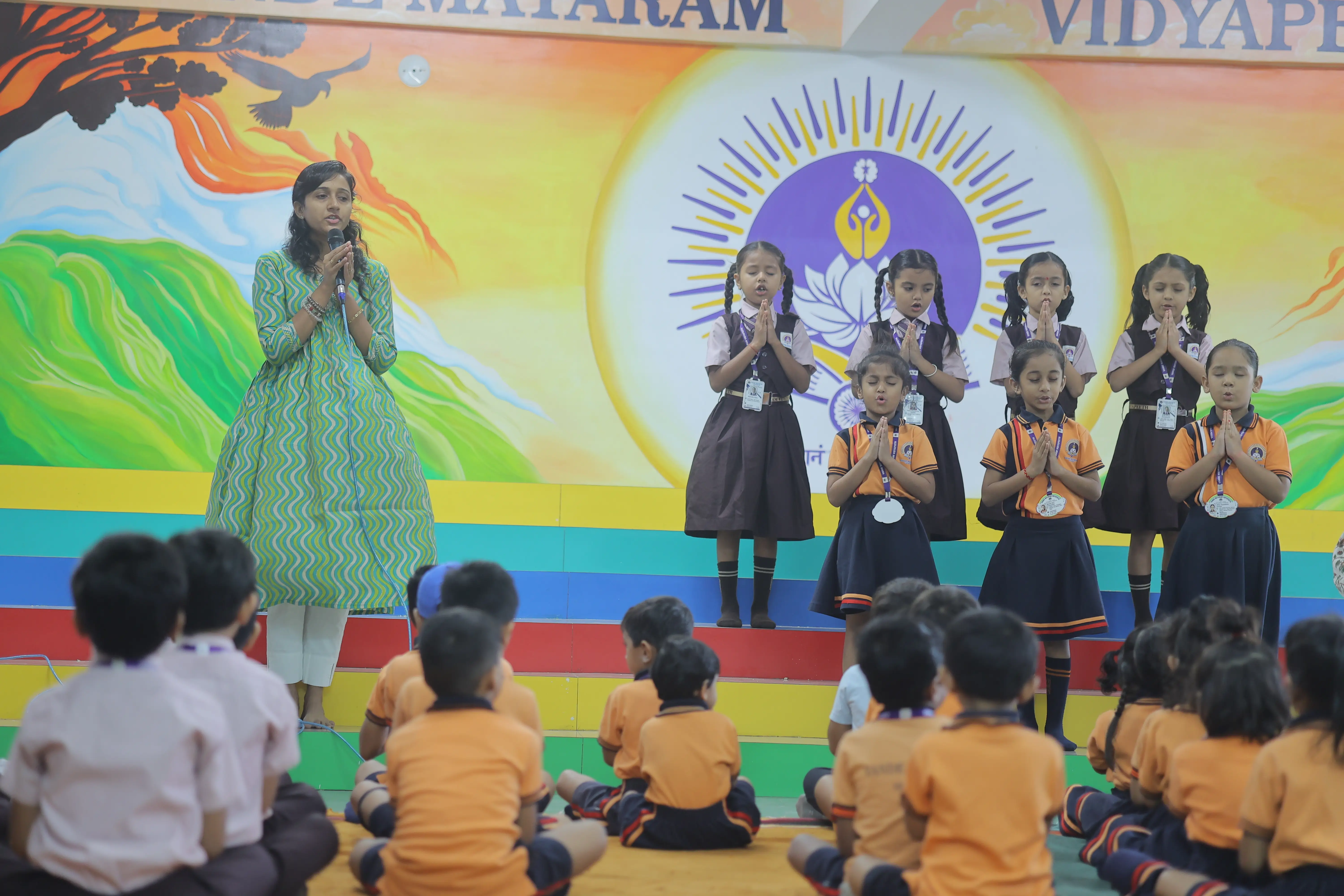
The school assembly helps students develop confidence, discipline, and strong moral values. It includes prayers, thought-sharing, news reading, speeches, and presentations that promote leadership qualities, communication skills, and a sense of unity among students.
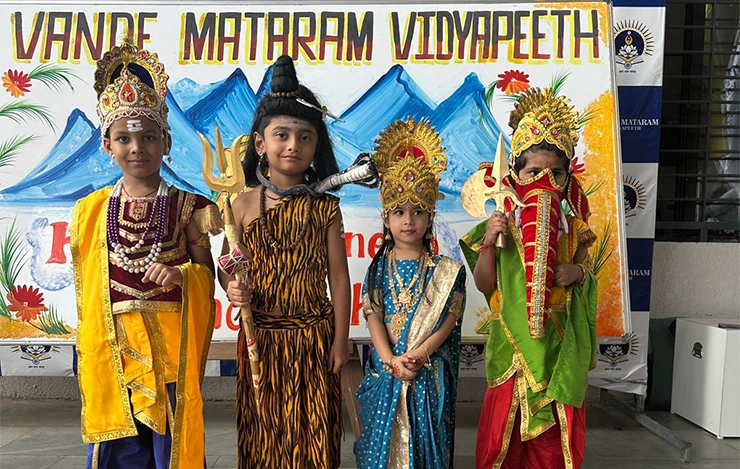
Students are encouraged to explore creativity through theatre, drama, role-play, and stage performances. Performing arts help students build confidence, teamwork, emotional expression, and effective communication abilities.
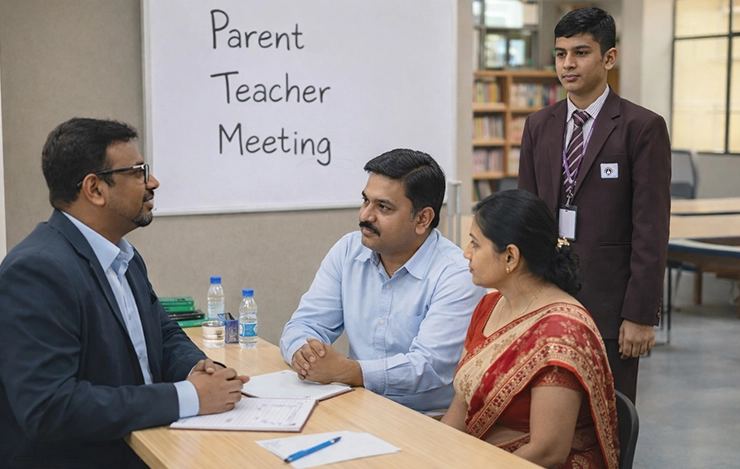
Regular Parent–Teacher Meetings (PTMs) strengthen communication between the school and parents. These meetings provide meaningful interaction, performance discussion, and progress feedback to support each child’s academic growth and personal development.
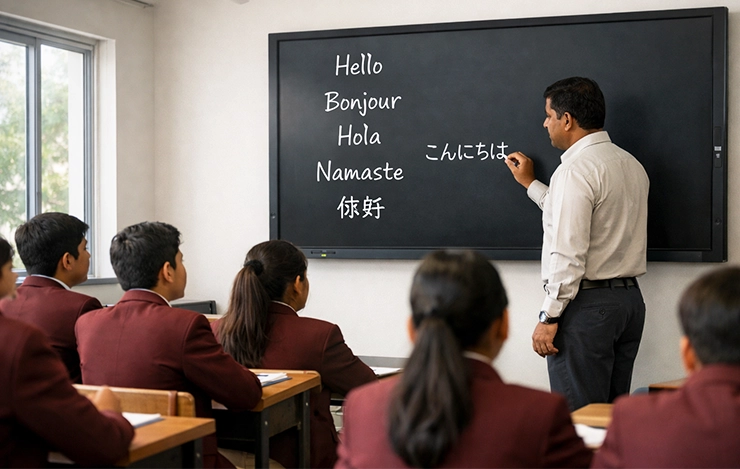
Students are introduced to multiple languages to enhance their communication skills and cultural understanding. Learning more than one language supports confidence, better expression, and cognitive development in students.
The English Buddy Program helps students improve spoken English, vocabulary, pronunciation, and confidence through peer activities, conversations, storytelling, practice drills, and interactive learning sessions.
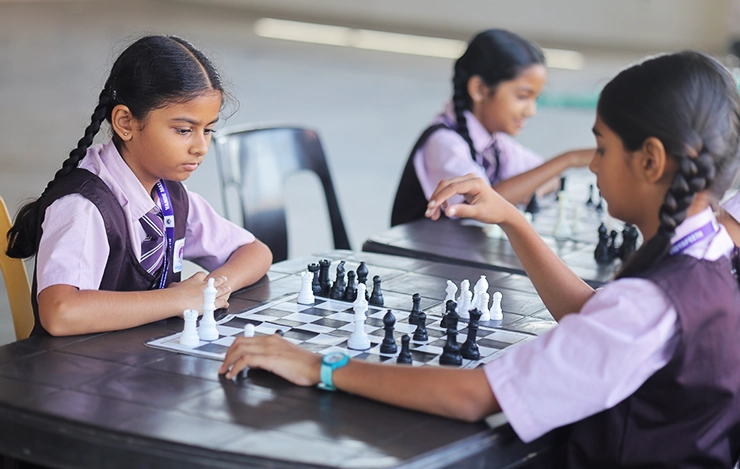
Sports form an essential part of student life at VMV. Regular sports activities help students develop physical fitness, discipline, teamwork, leadership qualities, and sportsmanship while encouraging a healthy and active lifestyle.
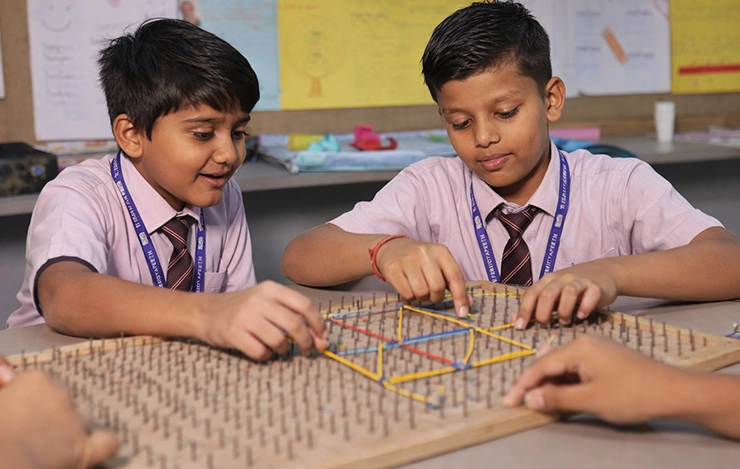
Brain Gym activities include mind-training exercises, puzzles, memory games, and logical thinking tasks that enhance focus, concentration, problem-solving ability, and overall cognitive development.
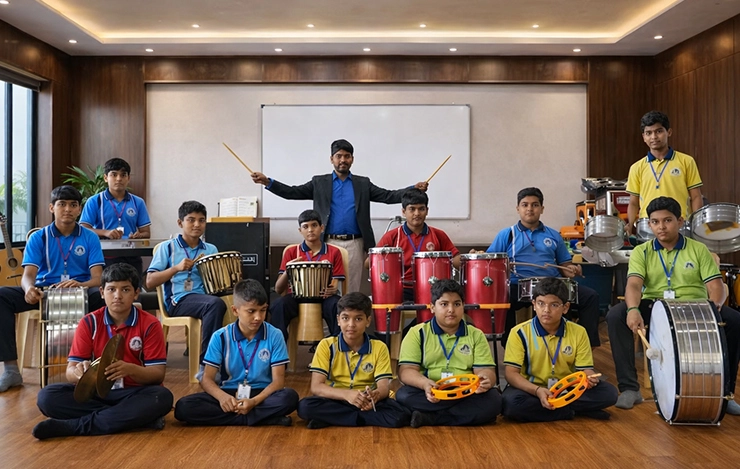
Music education helps students develop creativity, rhythm, expression, and emotional balance. Students learn vocal and instrumental music through structured guidance, practice sessions, and performance-based learning.
Dance activities encourage self-expression, coordination, confidence, and physical fitness. Students participate in classical and modern dance forms through events, workshops, practice sessions, and stage performances.
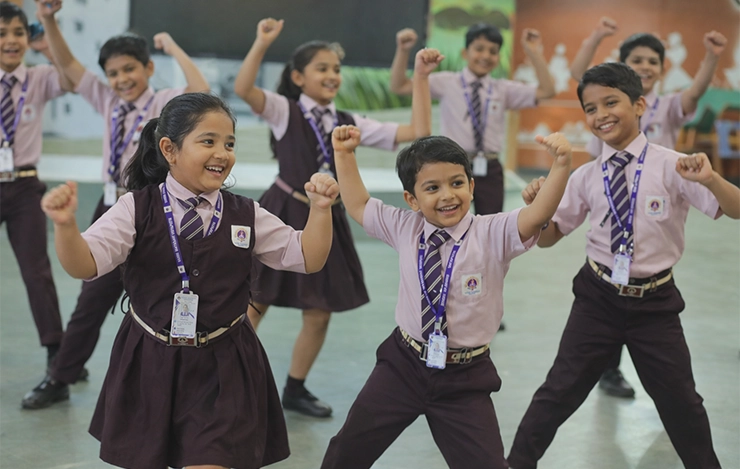
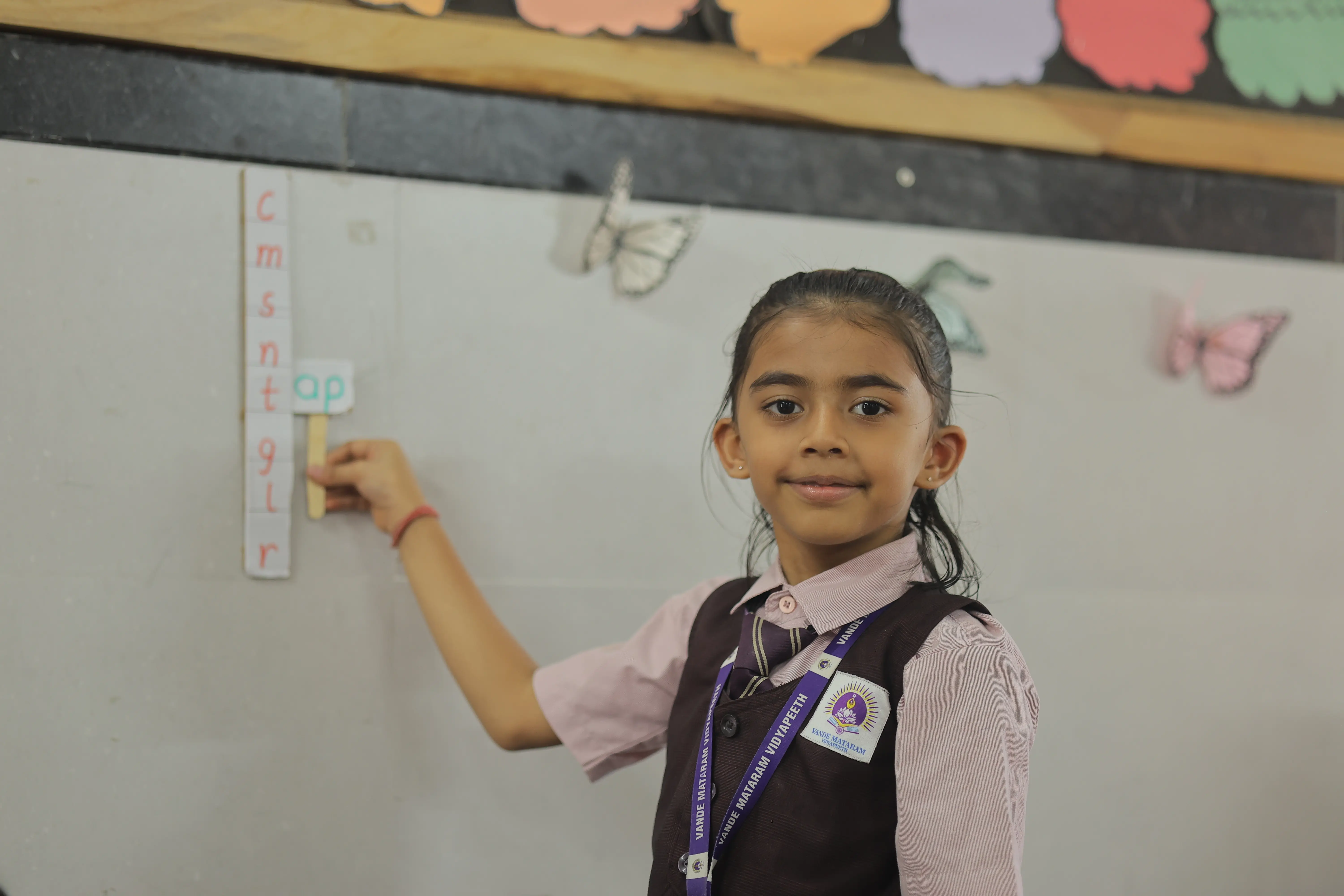
The Happiness Curriculum consists of flexible, multifaceted, multi- level, play-based, activity-based, and inquiry-based learning, comprising phonics, numbers, colours, shapes, indoor and outdoor play, puzzles and logical thinking, problem-solving, music and movement. It also includes a focus on developing social capacities, sensitivity, good behaviour, courtesy, ethics, personal and public cleanliness, teamwork, and co-operation.
At this stage children will not only learn, but more importantly learn how to learn. The multidisciplinary pedagogy is expected to motivate children to think critically find creative solutions to problems, innovate and adapt.
Skill-based learning is an educational approach that focuses on developing practical, Handson abilities rather than just theoretical knowledge. It emphasizes acquiring specific competencies like problem-solving, critical thinking or technical expertise that can be directly applied in real-world situations, such as the workplace or everyday life. This method often involves active participation, practice, and feedback, tailoring the learning process to individual needs and goals. By prioritizing measurable skills over rote memorization, it equips learners with tools to adapt and succeed in dynamic environments.
In classes 9th to 12th, apart from the CBSE syllabus our curriculum is meticulously designed to prepare students for the challenges of competitive exams such as IIT JEE, NEET and more. Students engage in practical learning experiences, working on portfolios and participating in mock presentations. We help children shape their future where knowledge, skills and character come together to create leaders of tomorrow.